Agrarian Harmony in the Heart of a Bustling City
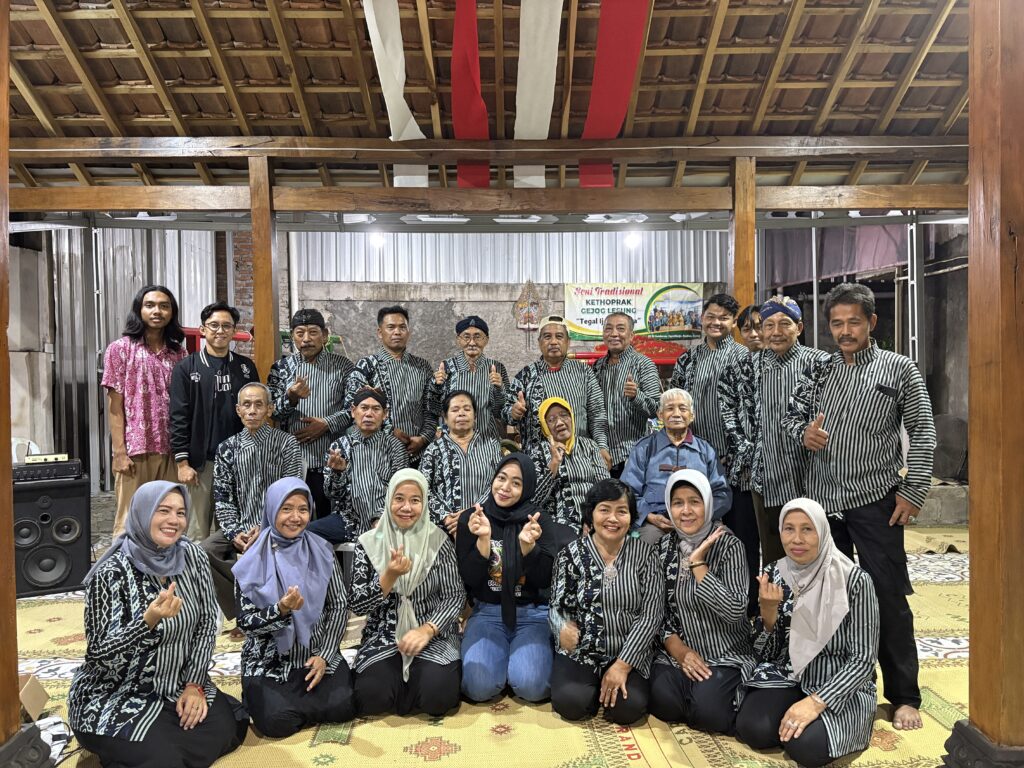
Tegal Ijo Budoyo Gejog Lesung Art Group, Ngestiharjo, Kasihan, Bantul, Special Region of Yogyakarta
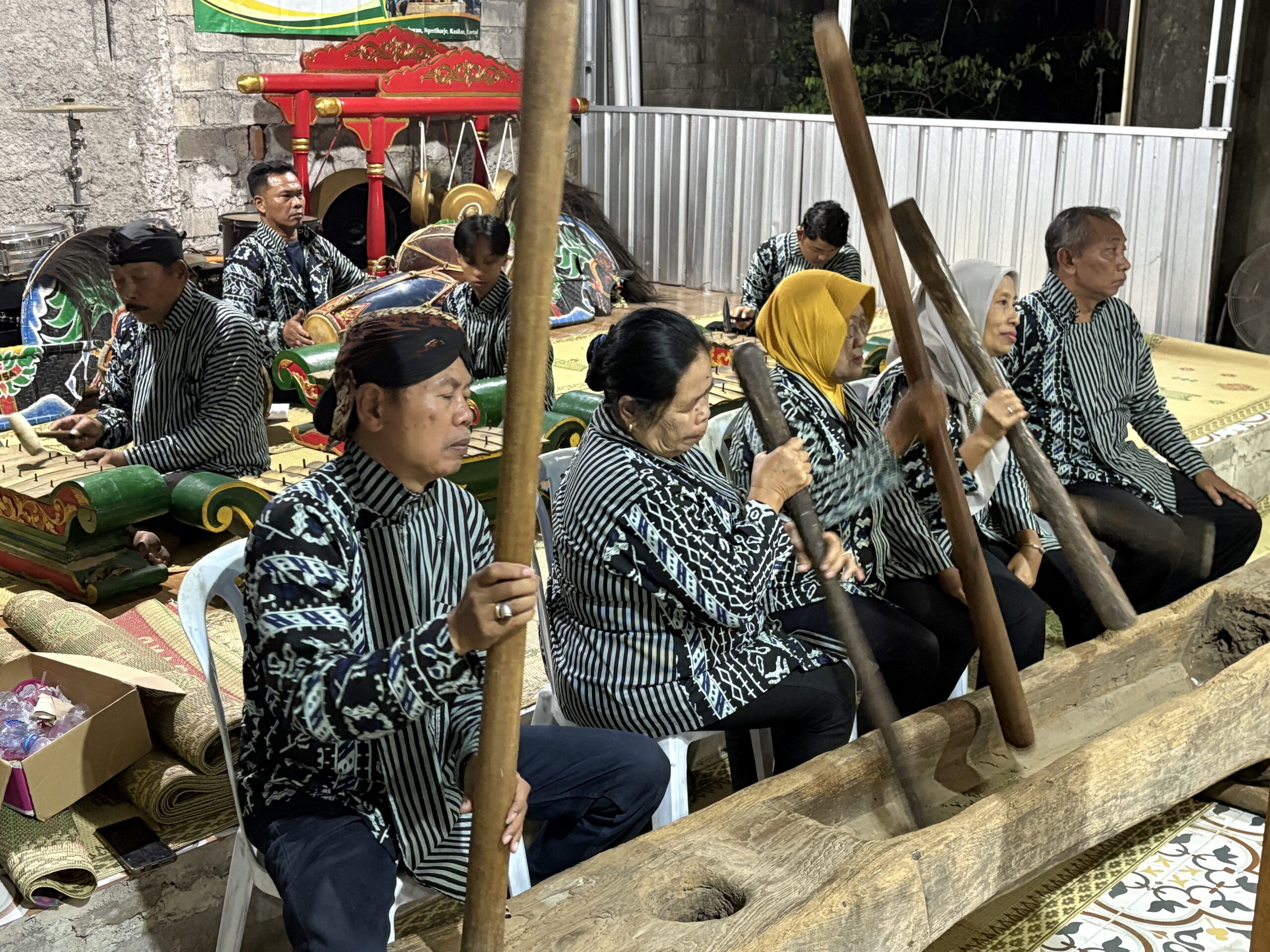
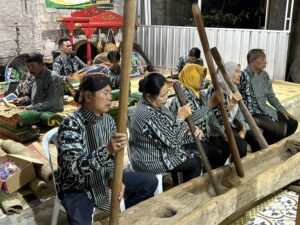
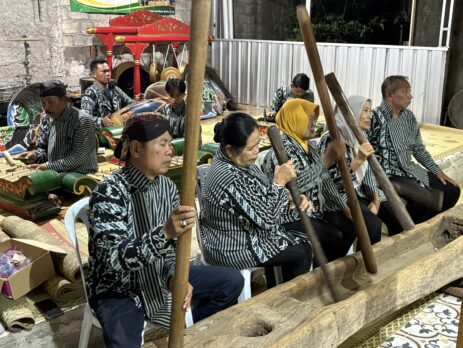
Bantul,The Gejog Lesung Tegal Ijo Budhoyo Community in Sumberan Hamlet, Ngestiharjo Village, Kasihan District, Bantul, stands as a living example of how agrarian traditional art perseveres amidst increasingly urban and heterogeneous social spaces. Through the 2025 Art Extension program from the Indonesian Institute of the Arts (ISI) Yogyakarta, this group receives intensive guidance to nurture and modernize their artistic spirit without abandoning their traditional roots.
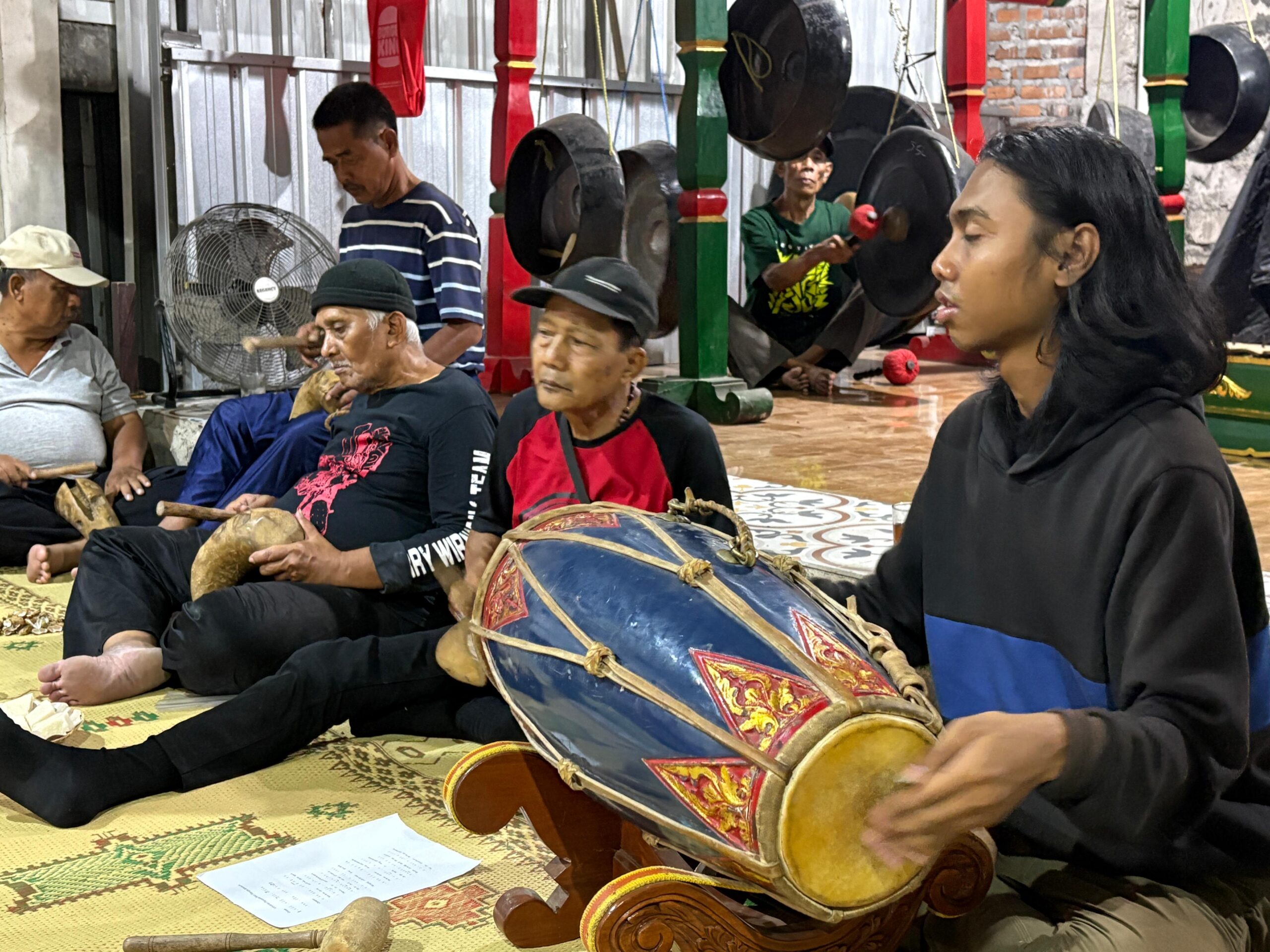
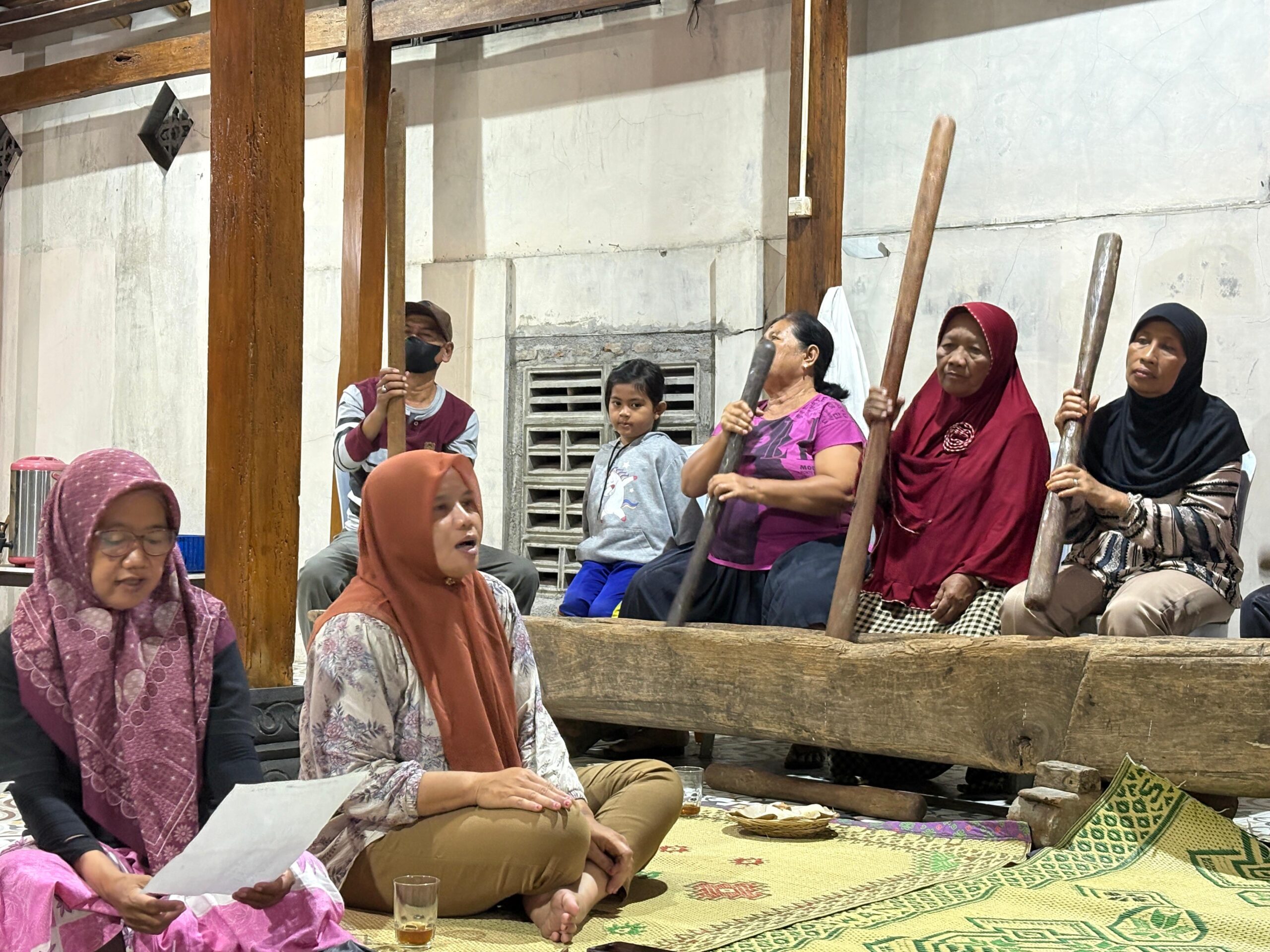
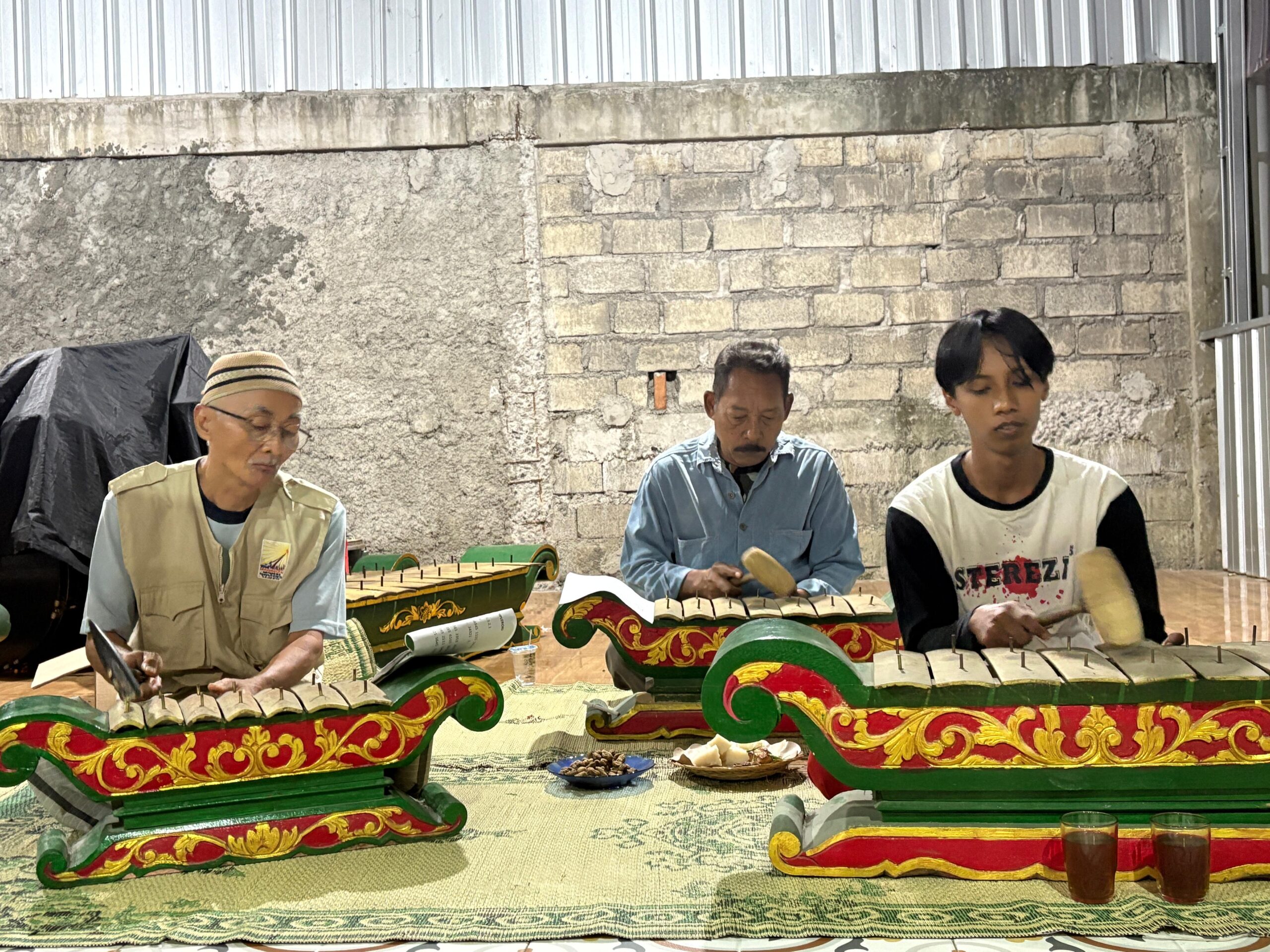
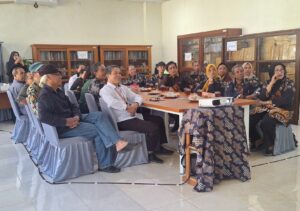
For two months, from August 29 to October 19, 2025, approximately 20 members of the community association—the majority of whom are elderly residents from diverse professional backgrounds—participated in 12 training sessions at the RW Hall of Tegal Ijo Hamlet. The activities took place in the evening, from 7:30 PM to 10:00 PM WIB, adjusting to the residents' rhythm of activity and the village's busy schedule.
The outreach team, led by Ribeth Nurvijayanto, S.Sn., M.A., along with faculty member Rr. Yudiswara Ayu Permatasari, M.Phil., and student member Yahkhannun Ne’eman, designed material based on direct observation of the group's musical abilities, vocal quality, instruments, and repertoire. From the results of this mapping, two main materials were determined: the gending Lancaran “Pancasila Sakti” (Slendro Manyura tuning) and the lagon “Swara Kenthongan” (Pelog Nem tuning), which were re-arranged with a dangdut rhythm to be more communicative and easily absorbed by the drummers and sinden.
The training approach combines lecture, repetition, and imitation methods. Participants are not only guided to understand the performance structure—introduction, song, interludes—but also to practice the rhythmic techniques of playing the "kotekan lesung" (log gamelan) with traditional patterns such as "nibani," "nyingkupi," and the "thong-thong sot" motif, among others. This includes vocal exercises for the main melody and filler parts to make the performance more dynamic. From a performance art management perspective, participants are also introduced to the importance of group management, developing presentation formats, and strengthening identity through costumes and props.
Behind those achievements, this outreach also highlights serious issues: stalled regeneration and a lack of youth involvement. Modernization and the demanding schedules of school and work make the younger generation less interested in “gejog lesung,” while the groups are still heavily reliant on performers over 50 years old. This program is expected to be an entry point to attract the interest of the younger generation through relevant materials, the theme of nationalism in “Pancasila Sakti,” and messages of local wisdom-based disaster mitigation in "Swara Kenthongan."
Overall, this art outreach not only enriched the song repertoire and improved musical quality but also reinforced the function of gejog lesung as a meeting point and social communication space amidst a diverse community. In hamlets where rice fields are increasingly disappearing, the clanging of lesung and the sound of kenthongan have once again become reminders of agrarian cultural memory, as well as tools for weaving harmony, unity, and togetherness among the residents of Tegal Ijo.